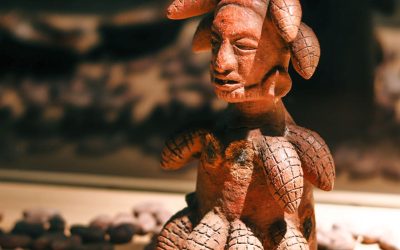
Chocolate did not begin as the sweet treat we know today, but as an ancient drink made from the cacao tree whose traces are much older than was long believed. When we talk about how people discovered chocolate, it is important to start from the origin of the plant Theobroma cacao, that is, the cacao tree, and from the earliest communities that knew how to use its bean, pulp and aroma.
The beginning of the chocolate story leads to South America
It was long thought that the history of chocolate began in Central America, among the Olmecs, the Maya and later the Aztecs. But archaeological finds have changed that understanding. The oldest evidence of the use of cocoa is today linked to the area of present-day Ecuador, where traces connected with the Mayo-Chinchipe-Marañón culture were found. It is there that remains were discovered indicating that people used cocoa more than five thousand years ago.
This is especially important because it shows that the roots of drinking chocolate do not begin only in the Mesoamerican civilisations, but also in the western part of the Amazon. In other words, the history of chocolate is not a linear story radiating from a single centre, but a complex network of the transfer of knowledge, customs and tastes across the vast space of the Americas.
How the cacao tree became food and drink
People probably did not immediately discover chocolate in the form of the thick, aromatic liquid we imagine today. The first contact with the fruit of the cacao tree was probably very practical: the pod attracted attention because of its pulp, its seeds and its nutritional value. Over time, communities began to process the beans, fermenting, drying and grinding them.
From such processing came a drink that did not taste like modern chocolate. It was bitter, intense and often spiced. In different periods and cultures, water, spices, maize, honey and later vanilla were added to it. That early taste was far from today’s sweet association with chocolate, but it was precisely in that simple preparation that the history of one of the world’s best-known products began.
Ecuador and the oldest vessel for drinking chocolate
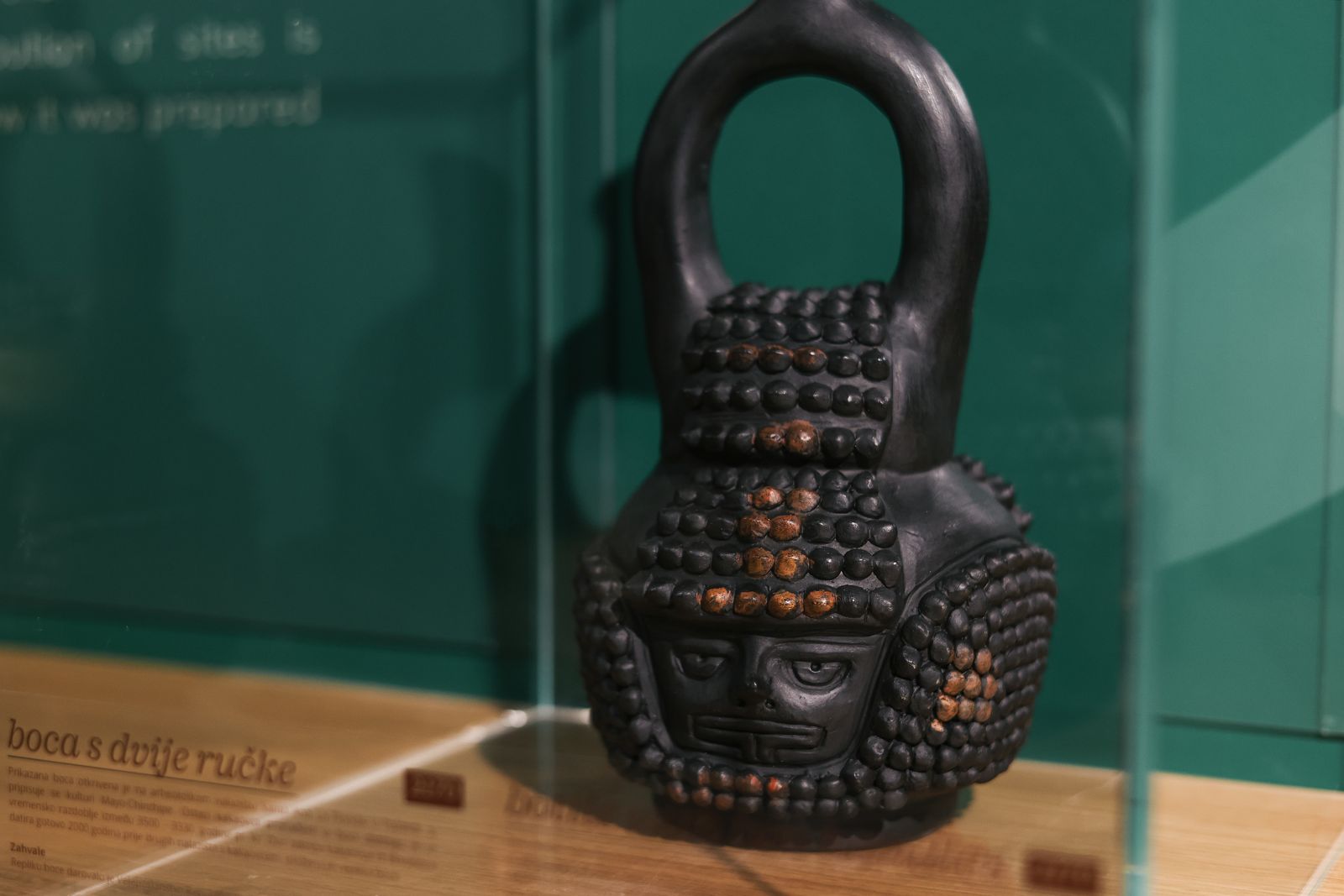
A special point of interest in this story is the find of a vessel from Ecuador, which is linked to the oldest evidence that chocolate was drunk. This vessel is important because it speaks not only of the presence of the plant but also of the way it was used — as a drink, not merely as a raw material or food.
The Chocolate Museum Zagreb displays a replica of that very oldest vessel from which, according to the available evidence, chocolate was drunk. It is a valuable exhibit that further enriches our understanding of the early history of cocoa and chocolate. The replica is a gift from the Embassy of Ecuador in Hungary, which gives the display a special cultural and diplomatic dimension. For visitors, this means they can experience the history of chocolate not only through text and story, but also through a concrete object that changes the view of the origin of our favourite treat. More on this topic can be found in the article about how an important exhibit arrived.
The Maya, rituals and the spread of tradition
Although the oldest traces lead to Ecuador, a large part of chocolate’s cultural identity was shaped in the civilisations of Central America. The Maya associated cocoa with rituals, trade and the daily life of the elite. The cacao tree was not just a plant but a symbol of prestige, exchange and spiritual meaning.
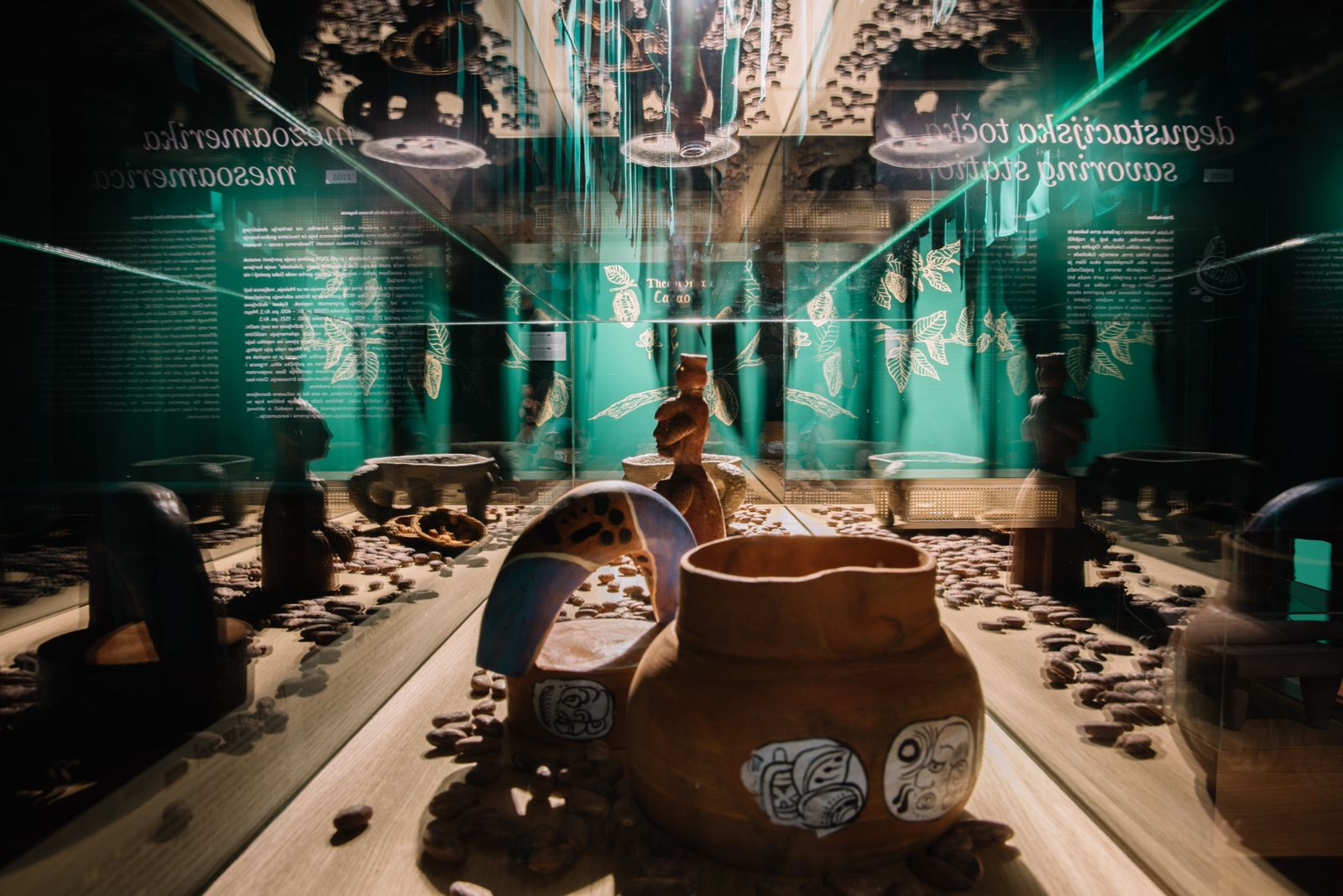
Later, other cultures also developed a special relationship with cocoa. In some periods the bean had almost the status of currency, and the cocoa drink was associated with power, festive occasions and religious ideas. It is no coincidence that the Latin name of the plant means „food of the gods”, so the idea that chocolate is a gift coming from the gods is deeply rooted in its symbolism.
How chocolate arrived in Europe
The arrival of cocoa in Europe is tied to the Spanish conquests and contacts with the American civilisations. Hernán Cortés is often mentioned in this story, because it was in the period after the encounter with Central American cultures that cocoa began to reach the European continent. At first it was an unusual, bitter and luxurious drink that was not widely accepted.
The change came when sugar was included in the recipe. That addition completely transformed the taste and opened the way for the popularisation of chocolate among the European courts. Over the following centuries the chocolate drink became a sign of refinement, and then the basis for the development of new forms of consumption.
From a bitter drink to a bar of chocolate
Only with the development of technology did chocolate as we know it today come into being. Industrial production made it possible to separate cocoa mass, cocoa butter and other components, which opened up space for a variety of products. It was then that modern chocolate production developed, from dark, full flavours to gentler varieties.
The addition of milk brought a new stage, giving rise to milk chocolate, milder and more accessible to a wider audience. From the raw cocoa bean to a finished praline or bar of chocolate there is a long process: harvesting, fermentation, drying, roasting, grinding and blending of ingredients. Today’s chocolate production therefore combines agriculture, science, craft and gastronomy. The differences between the types are best seen through dark, milk, white and ruby chocolate.
Why the discovery of chocolate is still fascinating today
The story of how people discovered chocolate reveals much more than the origin of one sweet treat. It speaks of the migration of plants, the exchange of knowledge, trade and the changes that take place through every century. From the ancient drink in Ecuador, through ritual use in Mesoamerica, to the European adaptation with sugar and vanilla, chocolate travelled the road from local tradition to global product.
That is why its history remains a living topic: in every new find, in every museum collection and in every attempt to understand how one fruit from the tropical world became a universal symbol of pleasure, culture and memory.