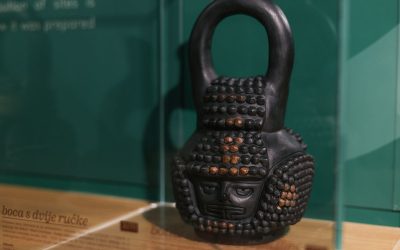
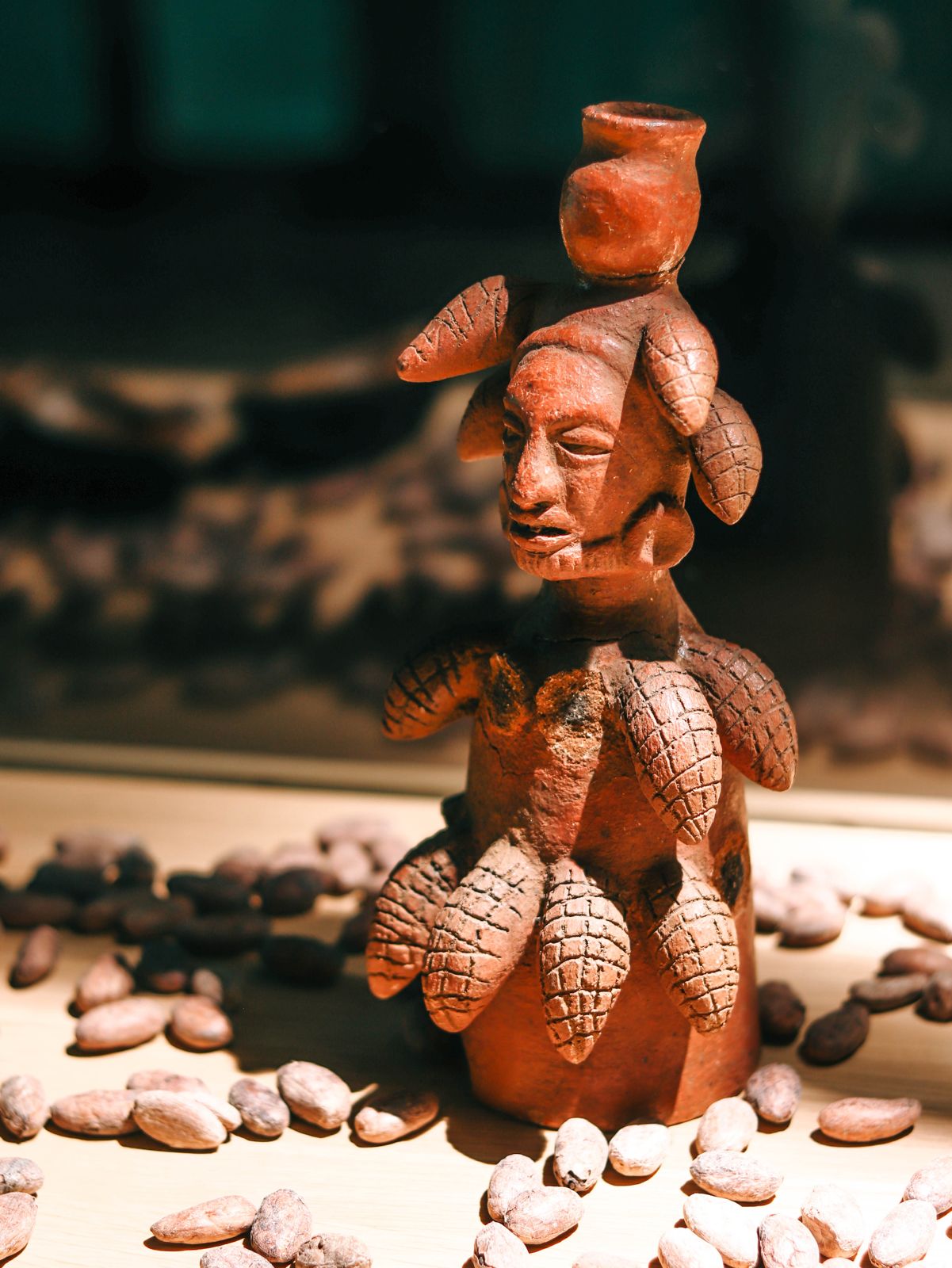
Chocolate today means much more than a sweet bite. It is a symbol of pleasure, gift-giving, gastronomic skill and a cultural exchange that has lasted for centuries. Its story begins long before the first chocolate bars, in the world of ancient civilisations that regarded the cacao tree as a precious plant, an almost sacred raw material and an important part of daily rituals.
The cacao tree as the beginning of a great story
The history of chocolate is inseparably linked to the cacao tree, a tropical tree whose pods hide cocoa beans. It was the cocoa bean that formed the basis of the first drinks, which bore no resemblance to today’s sweet chocolate. The ancient peoples of Central and South America prepared a bitter, thick and aromatic cocoa drink, often spiced with chilli, vanilla or other plants.
For the Maya and the Aztecs, cocoa was no ordinary food. It had economic, ritual and social value. The beans were used as a medium of exchange, and the cocoa drink was associated with the elite, warriors and religious ceremonies. At that time chocolate was not a dessert but a powerful, bitter and prized drink that carried status and meaning.
The arrival of cocoa in Europe
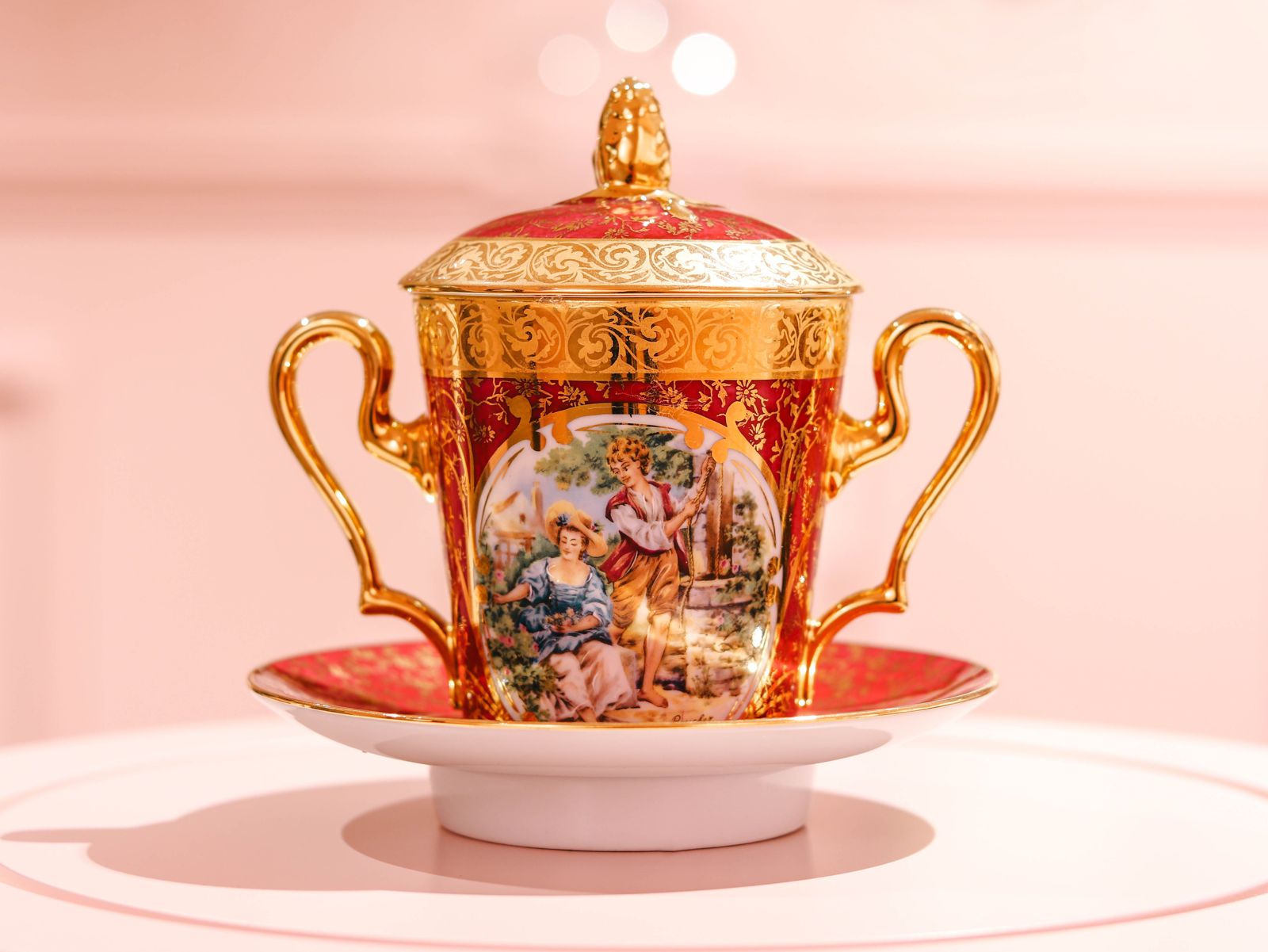
When Europeans came into contact with cocoa, a new chapter in the history of chocolate began. Cocoa arrived in Europe from the Americas, where its taste was gradually adapted to European habits. The bitter drink began to be sweetened with sugar, and cinnamon, vanilla and other spices were added to it.
At first, chocolate was available mainly to the nobility and the wealthy layers of society. It was drunk in salons and at courts, and its exotic character made it especially desirable. In that period Europe developed its own relationship with cocoa, turning the ancient drink into a refined luxury product.
As trade expanded, so did demand. Cocoa production became an increasingly important part of global trade, and chocolate slowly drew closer to a wider circle of people. Yet the real turning point came only later, when technological innovations enabled the development of chocolate as we know it today.
The 19th century and the revolution in chocolate production
The 19th century was a key period for modern chocolate production. One of the most important names in that story is Van Houten, the Dutch manufacturer who developed the process of pressing cocoa. This separated the cocoa butter from the cocoa mass, and the remainder could be turned into a fine powder.
This innovation changed the way chocolate was produced and consumed. Cocoa powder made drinks easier to prepare, and the extracted cocoa butter opened the way to smooth, solid chocolate. Chocolate production became more precise, more efficient and more accessible.
In the same century the first modern chocolate bars were developed. The chocolate factory was no longer merely a place for processing cocoa but a space of technological progress, experimentation and the creation of new flavours. Industrial production allowed chocolate to leave the closed circle of the aristocracy and become a favourite treat of middle-class society.
Daniel Peter and the birth of milk chocolate
Another important name in the development of chocolate is Daniel Peter, the Swiss chocolatier credited with creating milk chocolate. By combining cocoa, sugar and milk, a product with a milder, creamier taste was born, and it won over Europe and the world.
Milk chocolate changed consumer expectations. Instead of an intensely bitter profile, it offered gentleness, sweetness and a texture that melts in the mouth. That moment strongly influenced further production, as different recipes, fillings and forms of chocolate delicacies began to develop.
From then on, chocolate became increasingly associated with pleasure, gifts and small everyday rituals. It became more available, more diverse and present in almost every culture.
From the chocolate factory to the artisan approach
The development of industry brought mass production, but also the need to distinguish quality. Today, artisan and craft chocolates are increasingly appreciated, with special attention paid to the origin of the beans, the way they are roasted, the cocoa ratio and the final texture.
Modern chocolate production connects science, tradition and creativity. Chocolatiers explore different varieties of the cacao tree, terroir, fermentation and combinations of flavours. Dark chocolate with a high cocoa content, pralines with local ingredients, chocolates with nuts, spices or fruit show how diverse the world of chocolate is.
In this context, the chocolate factory is no longer the only symbol of production. Equally important are small producers, workshops and specialised boutique spaces where chocolate is seen as a gastronomic experience, not just a finished product.
The chocolate museum as a place of experience and knowledge
The story of chocolate is especially interesting when it can be experienced with all the senses. The Chocolate Museum Zagreb brings the history of chocolate closer to visitors through an educational, interactive and tasting-based approach. There you can follow the journey from the ancient cocoa drink to contemporary pralines and craft chocolates.
Such a museum makes it possible to understand the wider context: how the cacao tree shaped economies, why Europe changed the taste of chocolate, what Van Houten meant for technological development and how innovations such as milk chocolate influenced eating habits. Audio guides in multiple languages open this story further to visitors from different parts of the world.
Of special value are the tastings and praline-making workshops, because they show how much knowledge is needed for a seemingly simple piece of chocolate. Tempering, filling, the balance of flavours and the choice of raw materials reveal the craft precision behind every quality praline.
Chocolate as a blend of history, culture and pleasure
The history of chocolate shows how a single plant can connect continents, customs, technology and personal memories. From the sacred drink of ancient civilisations, through the European courts and the innovations of the 19th century, to modern artisan delicacies, chocolate has constantly changed its form while retaining its special appeal.
Today every piece of chocolate carries a trace of that long story: the cocoa bean, the maker’s skill, the aroma of roasting, the melting texture and a taste to remember. That is why chocolate remains one of the rare products that belongs at once to history, to gastronomy and to everyday pleasure.