
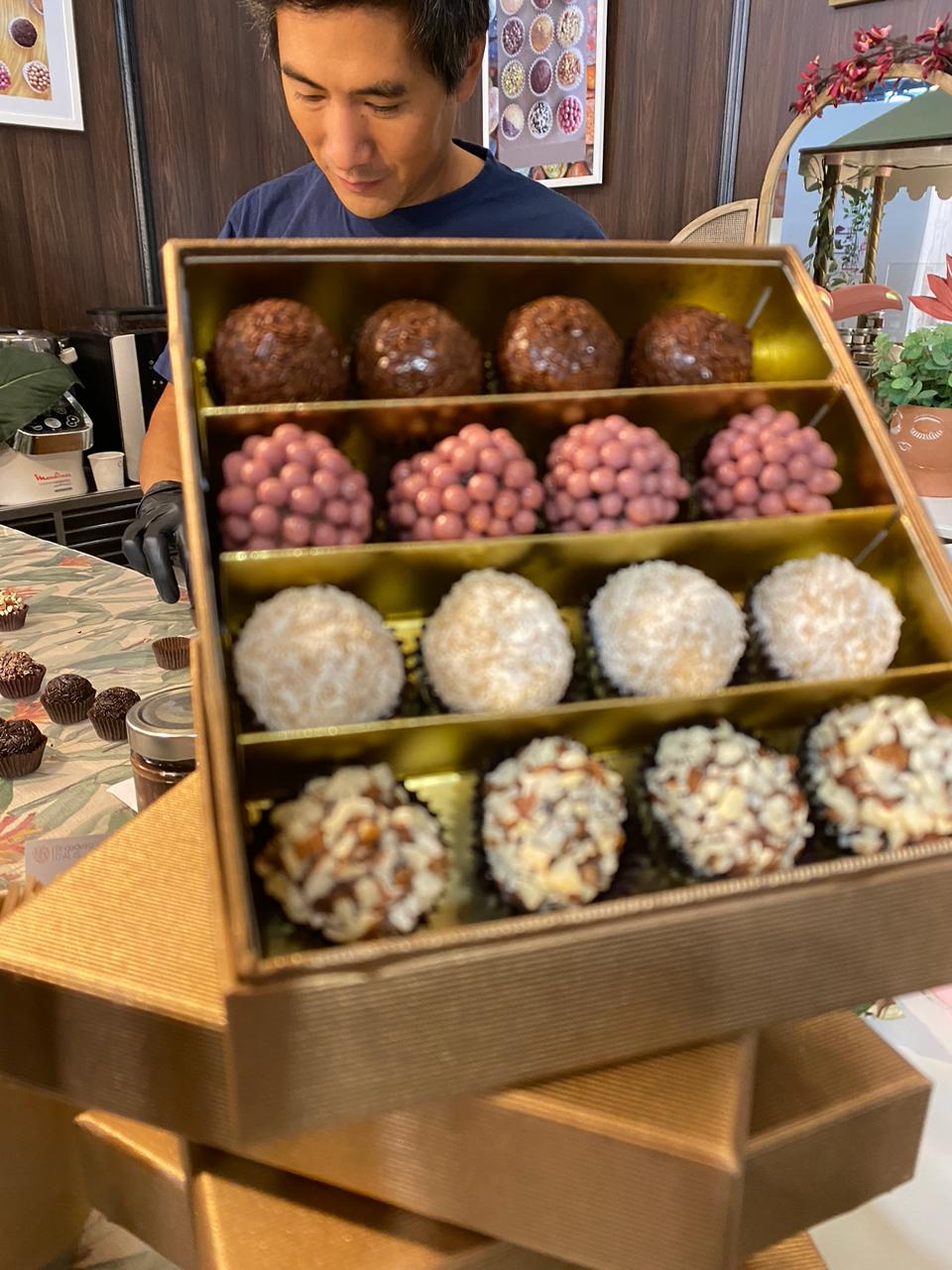
Unusual chocolates reveal how far imagination can go when craft, the science of taste and courage come together. From blue cheese to black garlic, chocolates with unusual additions prove that a sweet treat can be both a gastronomic challenge and a story about culture. Once you understand how a unique flavour is born, it becomes easier to find the perfect combination of ingredients and enjoy an experience that stays in the memory for a long time.
Why unusual types of chocolate attract us
The taste of chocolate is naturally layered: sweetness, the astringency of cocoa, the acidity that comes from the fermentation and roasting of cocoa beans, and the creamy texture of cocoa butter. Combined with unexpected notes — salty, sour, spicy or umami — a new kind of balance emerges. Dark chocolate with a high cocoa content is particularly well suited to such experiments, because the intensity of the cocoa can carry powerful additions without losing its chocolate character. This is how combinations are born that surprise — and win people over.
Five unforgettable flavour combinations
- Chocolate with blue cheese: salty crystals and noble mould create a contrast that highlights the depth of the cocoa. When the cheese is creamy and moderately piquant, the result is a unique flavour with traces of nutty and earthy notes.
- Miso and dark chocolate: miso paste brings umami and a mild saltiness. In small doses it emphasises fullness, as if the chocolate had a “rounded” body.
- Smoked teas and cocoa: Lapsang souchong or smoked salt introduce the aroma of smoke. The result is a combination of sweet and “barbecue” profiles, surprisingly elegant with dessert wines.
- Chilli and citrus: the classic heat of chilli is balanced by the freshness of lime or yuzu zest. This combination of chocolate and spice awakens the palate and leaves a long finish.
- Black garlic and caramel: fermented garlic has notes of prune and balsamic sweetness. In caramel it melts into a refined dessert accent, unobtrusive yet complex.
Such chocolate combinations require precise dosing. When the addition takes over, the chocolate flavour disappears; when the cocoa dominates, the distinctiveness is lost. The mastery lies in the balance.
Traditions and stories from around the world
Every ingredient carries a story and the country it comes from. In Latin America, the tradition of cocoa spiced with chilli peppers and cinnamon has been nurtured for centuries and is creatively reinterpreted today in modern pralines. In some Asian cuisines, floral and herbal notes — matcha, sesame, yuzu, shiso — give chocolate a different character, subtler and more fragrant. Northern Europe, on the other hand, prefers more robust profiles: smoke, blueberries, spruce needles or even salty seaweed. The world of chocolate thus becomes a journey through customs, terroir and textures, where a chocolate can be found to suit almost every taste.
How to taste unusual chocolates
- Look: a matte surface and a clean snap speak of quality craftsmanship.
- Smell: sniff before tasting; notes of smoke, fruit or spices announce the experience.
- Taste: let a square melt slowly. Sweetness comes first, then astringency and acidity, and only then the addition.
- Texture: creaminess, graininess or crunchy elements affect perception.
- Pairing: unusual types of chocolate pair beautifully with fermented drinks (kombucha), dessert wines or teas. The perfect match is often a matter of nuance, so it is worth experimenting.
Edutainment at the Chocolate Museum Zagreb
The Chocolate Museum Zagreb turns curiosity into experience: interactive stations, scent stations and tasting points lead visitors through history and contemporary trends, from ancient drinks to the craft scene. The educational component is naturally interwoven with fun — edutainment — so visitors learn while tasting and exploring. The museum’s chocolate boutique offers artisan and craft chocolates by Croatian chocolatiers, including limited editions and chocolates with additions that are otherwise hard to find. There you can get to know types of chocolate that follow local tradition, as well as ideas from other parts of the world.
Even children’s birthday parties are educational: children learn about the history of chocolate on a guided tour, test their knowledge in a fun quiz and make their own chocolate bars. The programme is designed so that the young audience understands the story of cocoa, tries different flavours and takes home a memory of their own. Details are on the page children’s birthdays.
Where to find them and how to choose
For unusual chocolates it pays to follow small workshops, specialised shops and museum boutique offers, because that is where the boldest combinations are born. Reading the label carefully helps you understand the cocoa content, the origin of the beans and the flavour profile. Dark chocolate with more than 70% cocoa is often the ideal base for intense additions; milk chocolate is gentler and better for aromatic but subtle spices; white chocolate provides a canvas for fruity and floral notes. Some chocolate factories nurture a “bean to bar” philosophy, others work with local spice producers — different approaches bring different results, but the common denominator is the search for a flavour that brings something new.
The strangest chocolates in the world thus stop being a curiosity and become a space for exploration. When a sweet treat turns towards the unexpected, it opens a view of a world in which the combination of sweet and salty, smoky and fruity, gentle and fierce is in fact a logical, well-considered and, above all, delicious path.