Chocolate is one of the rare ingredients that carries powerful historical symbolism and completely everyday pleasure at the same time. From the thick drinks of ancient civilisations to refined European sweets, every chocolate dessert says something about the region it comes from, the available ingredients, local habits and the way it is prepared. That is why chocolate recipes are more than cooking instructions: they are also a small overview of the world’s gastronomic traditions.
France: fondant au chocolat
The French fondant is famous for its soft centre and the intense flavour provided by dark chocolate. It is a dessert that looks elegant, yet its preparation is actually very simple.
The basic recipe usually calls for butter, chocolate, sugar, an egg and a little flour. The mixture is stirred briefly so it stays light, poured into a small mould and baked for just a few minutes. The key to success is not lengthy preparation but precise baking time. When the outer layer is baked and the centre still yielding, the fondant achieves its recognisable texture.
In the French tradition this dessert is often served warm, with cream, vanilla ice cream or a light dusting of something like icing sugar. It is precisely the contrast between the warm chocolate core and the cold accompaniment that makes it so appealing.
Italy: torta caprese
In the south of Italy, especially on Capri, chocolate is combined with almonds in the famous torta caprese. This cake is known for often being prepared without classic wheat flour, giving it a dense, rich and almost creamy structure.
The typical version uses melted chocolate, butter, ground almonds, eggs and sugar. Sometimes a little liqueur is added, and the aroma is rounded off with a note of vanilla or a few drops of vanilla extract. The mixture is combined carefully so it stays airy, and then goes into the oven in a round tin.
After baking, the surface often cracks slightly, which is one of the signs of authentic preparation. Once cooled, the cake is dusted with something like icing sugar and cut into small pieces because it is very filling. In the Italian tradition, such a recipe shows how simple ingredients can create an exceptionally refined result, much like the Tenerina cake.
Austria: Sacher torte
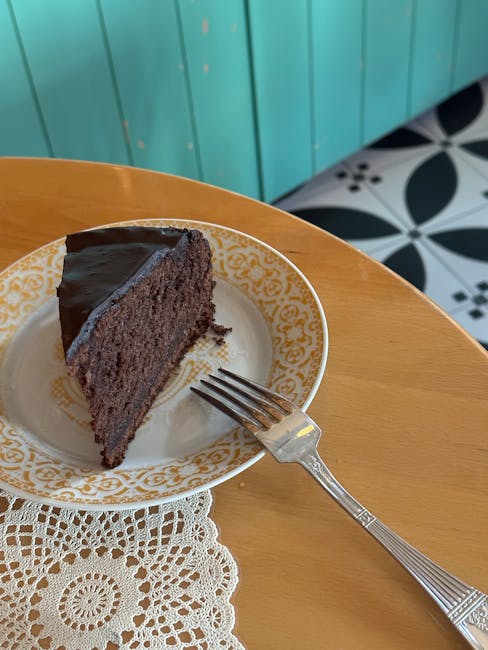
When it comes to Central European chocolate classics, it is hard to pass over the Sacher torte. This Viennese cake is known for its layers of chocolate sponge, a thin layer of apricot jam and a glossy glaze.
For the sponge, butter, sugar, melted chocolate and eggs are usually mixed together, while the dry part is prepared from flour and a small amount of something like baking powder, depending on the version of the recipe. The glaze is made from chocolate and warm cream or sugar syrup, and the goal is a thick, smooth coating.
It is important that the mixture is uniform and that the sponge bakes evenly. When a recipe says preheat the oven, with a dessert like this it really means the temperature must be stable before the tin even goes in. The Sacher torte does not rely on lavish additions but on the balance between fruity acidity and the depth provided by dark chocolate.
Mexico: chocolate flan and spice notes
In the country where the story of cocoa began, chocolate is never separated from spices. Mexican desserts often include cinnamon, chilli or vanilla, making the flavour more layered and aromatic than in many European recipes.
One of the more interesting examples is chocolate flan. It is prepared with a caramel made of sugar, followed by a milk base with eggs and chocolate. A teaspoon of vanilla extract can be added to the mixture to make the aroma warmer and fuller. Sometimes a little cocoa powder is used as well for a more intense flavour.
The flan is baked slowly, most often in a water bath, so the texture stays silky. Such preparation shows how much patience and even heating matter in the Mexican tradition, not just strength of flavour.
United States: brownies
Brownies are among the best-known modern chocolate desserts and an excellent example of how a home recipe became a world classic. Their popularity lies in simplicity: a few basic ingredients, one bowl and relatively short preparation.
Most often, melted butter, dark chocolate, sugar, an egg and a little flour are mixed together. For a fuller flavour, vanilla extract is added, and for a softer texture a little something like ml of sweet cream can be stirred in, depending on the variant. The mixture is poured into a square tin and baked until the edges are firm and the centre stays moist.
The American brownie tradition especially loves additions such as walnuts, chocolate chips or a light layer of cream. Still, the basic appeal remains the same: a rich, compact dessert that is easy to cut and serve. Fans of simpler recipes often also choose a chocolate tart.
Turkey and the Middle East: chocolate halva and contemporary interpretations
Although chocolate is not an original ingredient of many Middle Eastern sweets, today it is often combined with traditional recipes based on sesame, nuts and syrups. One interesting example is modern chocolate halva, in which tahini is joined with cocoa or melted chocolate.
Such a dessert does not always require baking, but it does require a careful ratio of ingredients. One extra spoonful of liquid ingredients is enough to make the mixture too soft, or it may lack sweetness if the sugar is not balanced against the natural bitterness of cocoa. It is precisely this play of textures that gives desserts from this region their special character.
Chocolate recipes from different countries show how adaptable a single ingredient can be. In one place a refined glaze dominates, elsewhere spices, elsewhere again a short and practical preparation. In every version, chocolate remains the link between tradition, craft and pure enjoyment of dessert, and further inspiration can be found in chocolate cakes.