
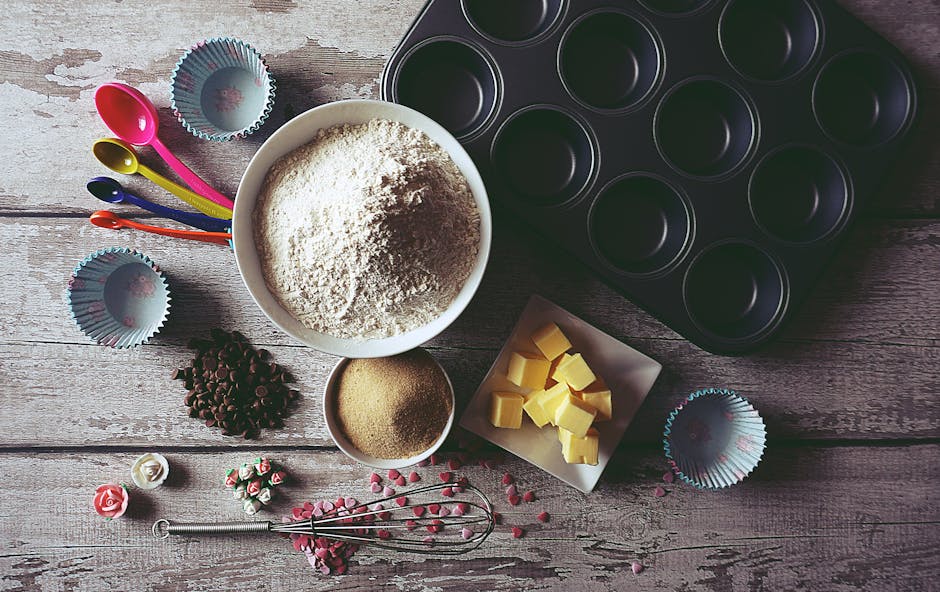
The scent of baked cocoa and a warm tray fresh from the oven are often the quickest path to a family atmosphere in which the pace spontaneously slows down, conversations grow longer and the weekend gains its recognisable sweet note. The chocolate cake is a classic that succeeds almost every time: all it takes is choosing good chocolate, measuring the butter and sugar correctly and watching the baking time to achieve that sought-after, moist chocolate cake.
That is exactly why chocolate weekends work beautifully both as a home ritual and as inspiration for an outing: at the Chocolate Museum Zagreb, the tour with chocolate tasting includes a tasting of nine forms of chocolate in total, among them all the varieties that run through this text – from dark chocolate to milk, white and ruby chocolate, known as the fourth chocolate.
Why a chocolate cake is ideal for a family weekend
A good cake is not just a dessert; it is an activity, a scent and a rhythm. Children can stir the batter, adults can lead the preparation, and everyone together can watch the chocolate flavour develop from the first square of chocolate to the final slice. Another advantage of chocolate cakes is that they adapt easily: the same recipe can become a sponge cake, a moist brownie or a simple single-tin bake.
For the weekend it is especially practical to choose recipes that call for a few basic ingredients: eggs, flour, baking powder, milk (or a substitute), butter and quality chocolate. When the measurements are clear (for example, how many ml of milk go into the batter) and the order of preparation is respected, the result is reliable.
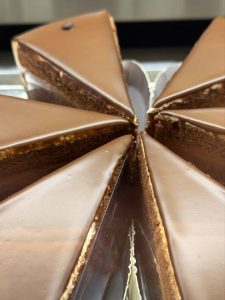
Dark chocolate as the base for an intense chocolate flavour
If you want a pronounced, more “grown-up” dessert profile, dark chocolate is the best choice. It brings depth, less sugar and often more pronounced cocoa notes, so even a simple cake takes on a more serious character. In recipes for chocolate sponge or brownies, the most important thing is not to overheat the chocolate while melting it with the butter, so it does not turn grainy and lose its shine.
For moistness, balance is key: enough butter for a soft texture, but also enough eggs for structure. Flour should be added gradually – once you fold in the flour, mix the batter briefly, just enough to bring the ingredients together. This avoids overdeveloping the gluten and the cake stays tender.
Milk chocolate for a milder, “child-friendly” cake
When the goal is a dessert loved by all ages, milk chocolate is rewarding because it brings a gentler flavour and natural creaminess. In such recipes you can often reduce the amount of sugar because the chocolate already contains enough, and the cake still stays full of flavour.
Milk chocolate also works wonderfully in creams: a simple cream of melted chocolate, a little butter and warm milk (precisely measured in ml) can become a coating for a sponge or a filling for a layer cake. If you like a melt-in-the-mouth texture, chill the cream briefly and spread it while it is still pliable.
White chocolate and ruby chocolate in weekend variations
White chocolate is often underrated, but in family weekend cakes it can be an excellent counterpoint to a dark sponge. It works best as a glaze or as part of a cream, where it emphasises milky notes and gives a rounded flavour. It is important to melt it carefully, at a gentle temperature, because it is more sensitive than dark chocolate.
A special place is deserved by ruby chocolate, the so-called fourth chocolate, recognisable by its naturally pink colour and fruity-tart profile. In cakes it is interesting when you want a “wow” effect without excessive complexity: a ruby ganache can refresh a classic chocolate cake, and a few pieces in the batter give an unexpected twist of flavour. At the Chocolate Museum Zagreb, during the guided tasting experience, ruby chocolate can be sampled among the nine forms of chocolate, along with the other varieties mentioned here, which makes it easier to pick a favourite before you set off on your own recipes.
Small details that make the difference in preparation
When a recipe is simple, the details become decisive. A few habits help make the cake stable and the result repeatable:
- Always prepare the tin in advance (butter and a little flour, or baking paper) so the sponge does not stick.
- Add the baking powder evenly and check its freshness; old baking powder can be the reason for a dense texture.
- Add a pinch of salt to the batter because it intensifies the chocolate flavour, especially with dark chocolate.
- Let the eggs be at room temperature so they combine better with the butter and chocolate.
- Do not extend the baking time “just in case”; a chocolate cake is often at its best when the centre is still slightly soft.
If you are making a layer cake, cool the sponge completely before cutting. A warm sponge crumbles easily, and the cream can turn runny.
Ideas for family weekend flavour combinations
Chocolate loves simple additions that do not distract but strengthen the impression. A dark chocolate cake goes wonderfully with tart fruit, milk chocolate loves nutty notes, and white and ruby chocolate work especially well with subtle aromas of vanilla and almond. From the same basic recipe you can thus create several different cakes, depending on whether you want intensity, gentleness or a refreshing contrast.
When you also have the chance to taste nine forms of chocolate at the Chocolate Museum Zagreb, it becomes easier to recognise which profile suits you best – whether you want the depth of dark chocolate, the creaminess of milk, the sweet roundness of white or the fruity liveliness of ruby chocolate – and to carry that impression into the next family chocolate cake from your own oven; tickets can be a practical way to plan such a weekend.