Chocolate is much more than a favourite sweet. Behind a single piece lie history, geography, biology, chemistry, production technology, food culture and the development of taste, which is why chocolate can be an exceptionally interesting educational topic for children, pupils and adults. That is exactly why content connected with chocolate has strong potential for learning through experience, because it combines knowledge, the senses and practical work.
Chocolate as a blend of history and culture
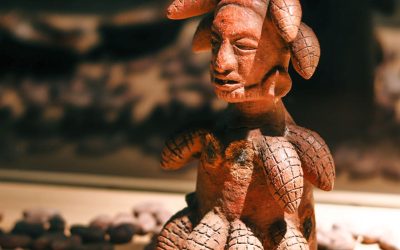
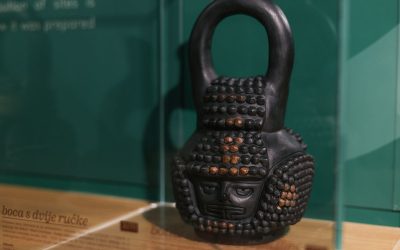
When we talk about how chocolate can help with learning, the first topic that opens up is its origin. The history of cocoa leads to Central and South America, where ancient civilisations developed the first drinks from the cacao tree. This historical part is an excellent opportunity for a pupil to learn about the development of trade, customs and eating habits through different periods.
Through the story of chocolate it is also possible to explain how tastes, social values and the availability of certain products have changed. Once a luxury, today a widely available product, chocolate clearly shows how a single food can reflect changes in society over more than a year, a decade or even a century. Such an approach turns abstract material into something tangible and easy to remember.
Learning through geography and the origin of ingredients
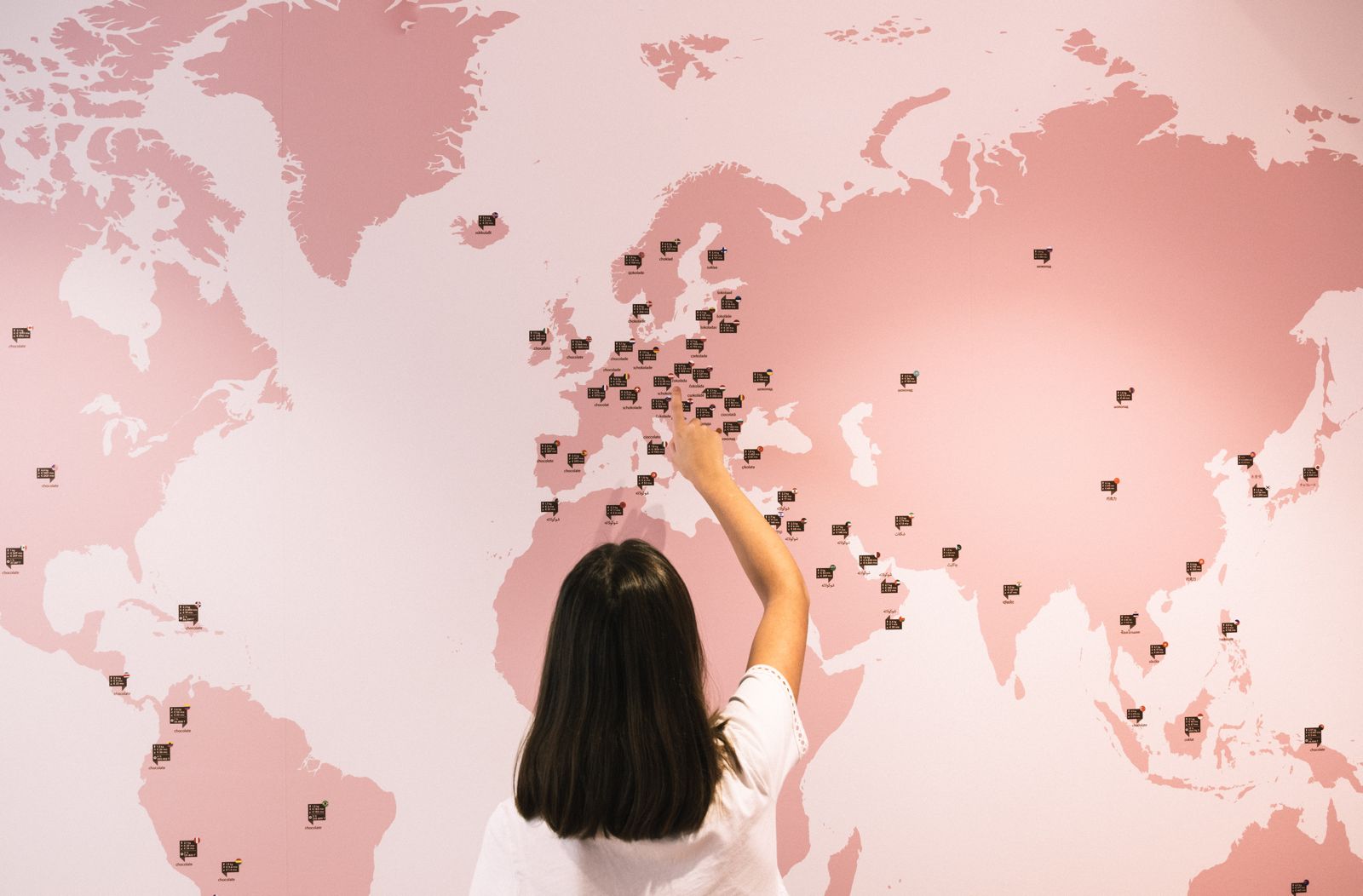
Chocolate is also an excellent way to cover the geographical aspect of food. The cacao tree thrives in specific climatic conditions, so the topic of chocolate naturally leads to an understanding of tropical regions, plant cultivation and global supply chains. Pupils can learn where the raw materials come from, how they travel across the world and how different regions affect the taste of the finished product.
Here, education gains additional value because it shows that food is not created only in a shop or a production plant. Behind every chocolate there are agriculture, logistics, knowledge and time. Such learning develops a broader picture of the world and encourages an understanding of the connections between natural resources, work and everyday consumption.
Chocolate in chemistry and food science
One of the most interesting reasons why chocolate can be an educational topic is the fact that chocolate contains a whole series of components and processes that are easily linked to school material. In production, one can explain fermentation, roasting, grinding, tempering and the crystallisation of cocoa butter. These are concrete examples of chemical and physical changes that a pupil can understand more easily when they see them in practice.
The difference between products such as dark chocolate, milk chocolate and white chocolate also opens up space for quality education. Dark chocolate usually has a higher share of cocoa parts, while milk chocolate contains milk and more sweetness. Through such a comparison it is possible to talk about composition, cocoa content, texture, aroma and the influence of sugar on the final taste, as well as about the differences between types of chocolate.
It is especially useful to explain that not every chocolate is the same. Some craft and artisan varieties place the emphasis on the origin of the beans, the method of processing and more pronounced flavour notes. This develops sensitivity to detail and an understanding of quality, rather than just a habit of quick consumption.
Developing the senses and mindful tasting
Chocolate can help develop sensory perception better than it might seem at first glance. When a tasting is led expertly and in a structured way, the visitor or pupil learns to recognise aroma, texture, the melt in the mouth and the finish. This is not only a gastronomic experience but also an exercise in attention, comparison and expressing impressions.
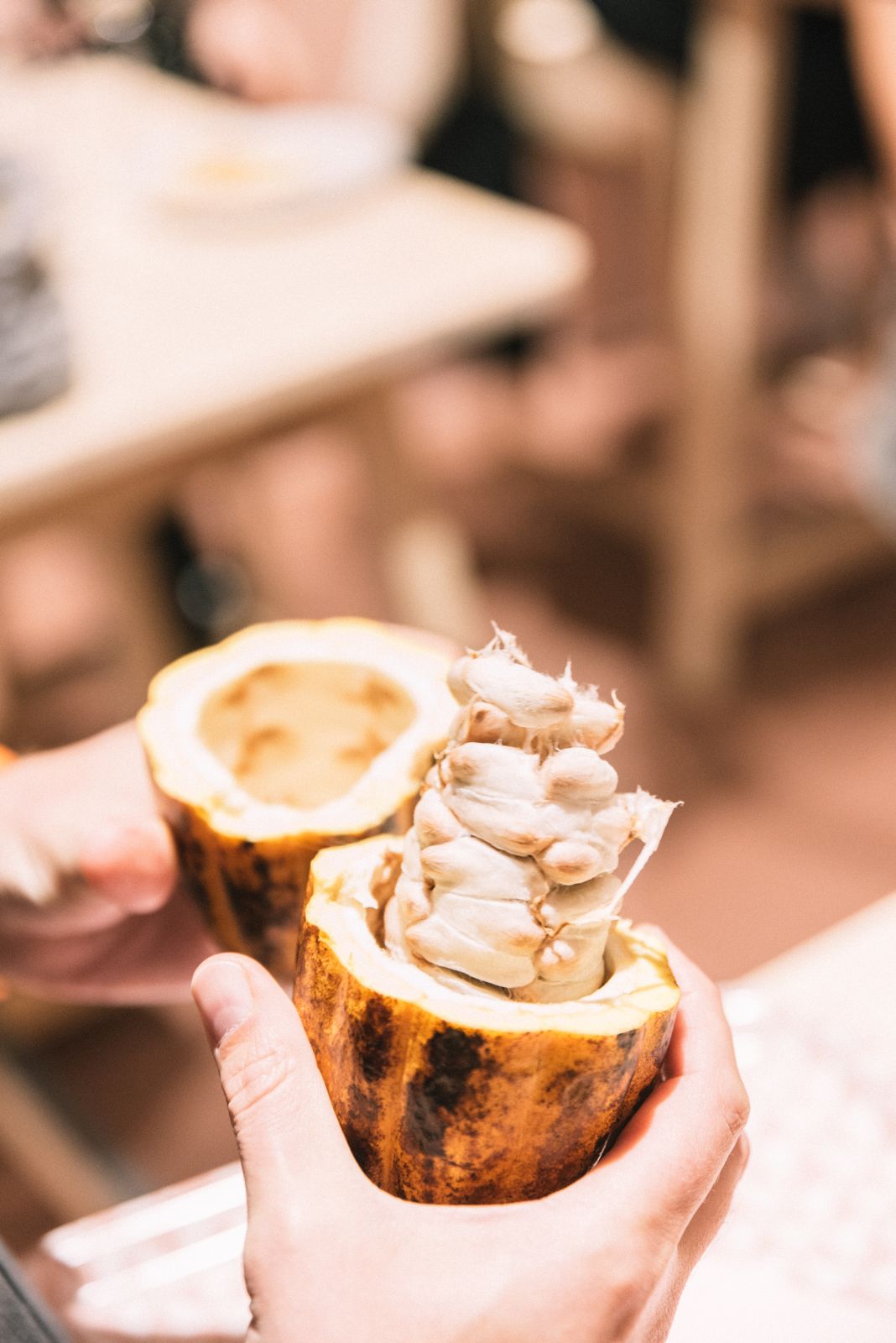
Such an activity is useful for developing vocabulary and the ability to describe. Instead of a simple judgement of whether something is liked or not, a person begins to distinguish fruity, bitter, nutty or creamy notes. It is precisely this part that shows how chocolate can help develop precision, concentration and a mindful experience of food.
In addition, a conversation about composition opens up the topic of food literacy. What does more cocoa mean for the taste? How much sugar can a certain product contain? How do the dark and milk varieties differ? Such questions connect everyday life with useful knowledge.
Practical work as a powerful educational tool
The greatest value of the topic often comes through practical work. When participants take part in a workshop, make pralines or observe the stages in the creation of chocolate, learning becomes active. Theory is then connected with experience, and information is absorbed more easily and remembered longer.
It is especially useful for a pupil to be able to shape a product with their own hands, notice changes in temperature and see how a small mistake affects the result. In this way education stops being abstract. It gains shape, scent, texture and a sense of achievement.
The museum space as a centre of knowledge and experience
A museum dedicated to chocolate is a natural place where fun and knowledge meet. Such a centre does not display only the finished product but the entire developmental journey of chocolate: from the origin of the cacao tree to contemporary tasting and production habits. The visitor does not absorb information passively but connects it with scents, tastes, objects and stories.
This is precisely where the strength of such an approach lies. One day spent in a thoughtfully designed space can open up questions about history, culture, nutrition and technology more than a classic lecture. Chocolate thus becomes a medium through which knowledge is transferred naturally, understandably and memorably.
When education includes expert guidance, tastings and the chance to explore different types of chocolate, the experience becomes even richer. The visitor receives not just information but also a sense of discovery, and it is precisely that feeling that is often key to real learning and a lasting interest in the topic, especially during a museum tour with chocolate tasting.